Our view
Longevity is more than lifespan
Lifespan is the number of years a person lives. Longevity, as we use the word, is the chance to make those years healthy, connected, meaningful and self-directed.
It is not a promise that anyone will live longer, and a home alone does not decide health. It is a commitment to shape the conditions in which people can live well as they age: the home, the neighbours, the routines and the support around them.
The seven notes
Seven notes. One magnificent life.
Sleep, food, movement, mind and friendships each have a natural beat. When they fall out of tune, health and joy decline. We design every community, and every day in it, around seven notes named after the swaras of Indian music: Sa, Re, Ga, Ma, Pa, Dha, Ni.
Sa · Strength
Live stronger for longer.
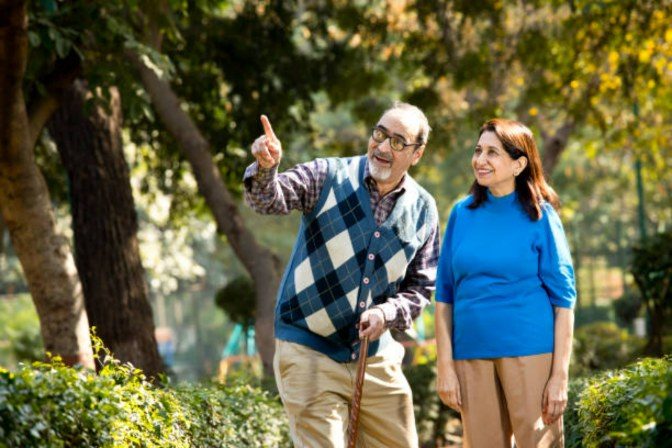
Physical energy, mobility and the confidence to take part in everyday life.
Spaces that support it
Walkable loops, an accessible gym and studio, gardens with handrails and resting points.
Services and experiences
Movement sessions, strength and balance programmes, preventive screening referrals, rehabilitation access, geriatric assessments and care plans.
Spaces and services vary by community. Each project page lists what is confirmed. The seven notes are our organising framework, not a clinical scale.
Strength
Live stronger for longer.
Physical energy, mobility and the confidence to take part in everyday life.
Walkable loops, an accessible gym and studio, gardens with handrails and resting points.
Movement sessions, strength and balance programmes, preventive screening referrals, rehabilitation access, geriatric assessments and care plans.
Relationships
Belong, connect, flourish.
Friendship, family connection and a sense of belonging, with privacy when you want it.
Dining areas, lounges, club rooms, outdoor gathering points, shared gardens.
Shared meals, clubs, interest groups, family events, resident-led groups.
Growth
Never stop becoming.
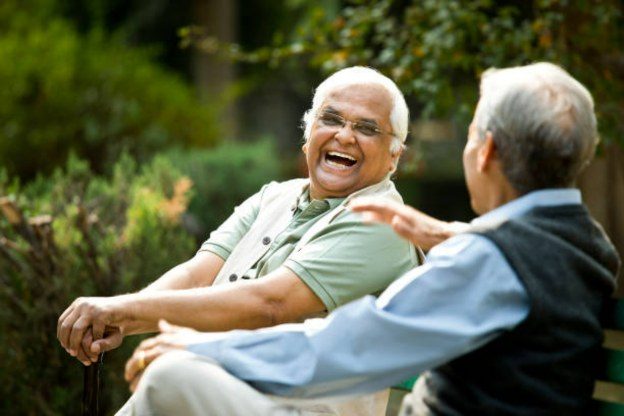
Curiosity, learning and new experiences.
A library, a learning room, art and music spaces, digital access.
Talks, courses, creative workshops, technology help.
Meaning
Your wisdom still changes lives.
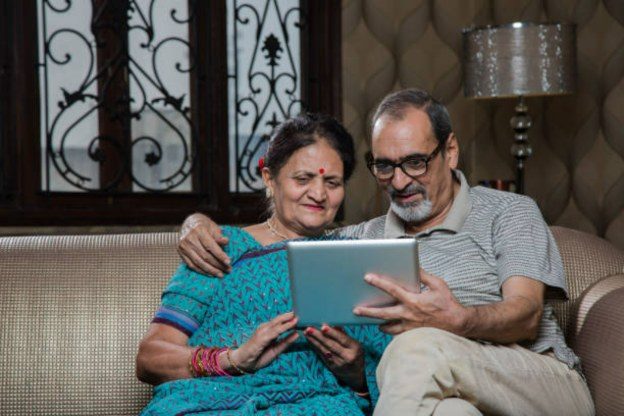
Reasons to look forward to the day and ways to contribute.
Flexible studios, gardens and community project spaces.
Volunteering, mentoring, resident committees, meaningful roles.
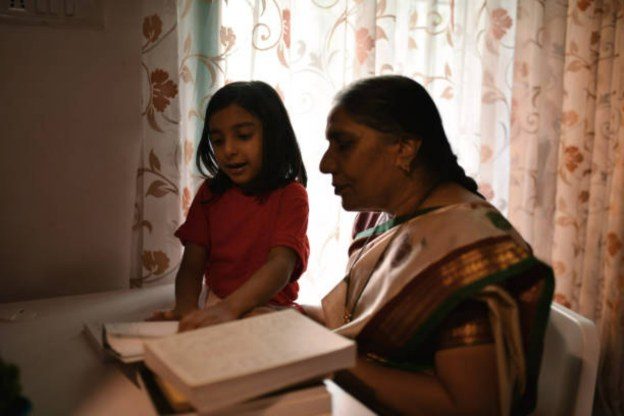
Play
Make room for wonder.
Joy, humour and creative expression for their own sake.
A music and dance room, an arts studio, a games lounge, courtyards for celebration.
Live music, hobby clubs, games, festivals and celebrations, outings, resident-led events.

Dignity
Live life on your terms.
Choice, privacy and independence, with confidence that dependable support is there.
Private apartments with flexible layouts, accessible controls and bathrooms, good lighting, clear wayfinding, emergency systems.
Choice of services, resident councils, personalised activity plans, emergency response protocols, care coordination, transparent service plans.
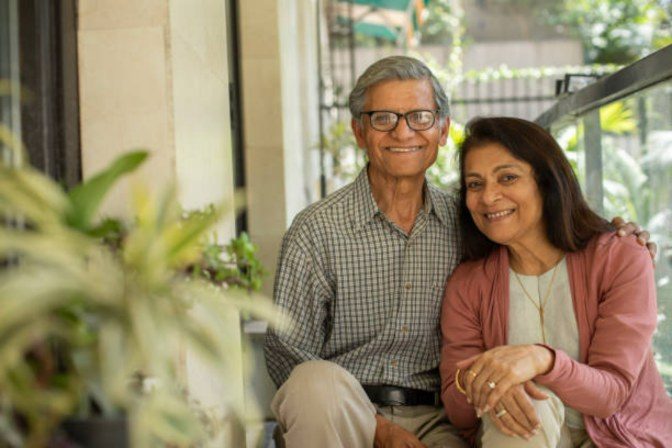
Nourishment
Nourish every part of life.
Good food, restful sleep, time in nature and inner peace.
Dining spaces, gardens, quiet and contemplative corners, nature views, restful bedrooms.
Nutritious and varied meals, sleep-friendly routines, nature activities, reflection, cultural and spiritual options by choice.
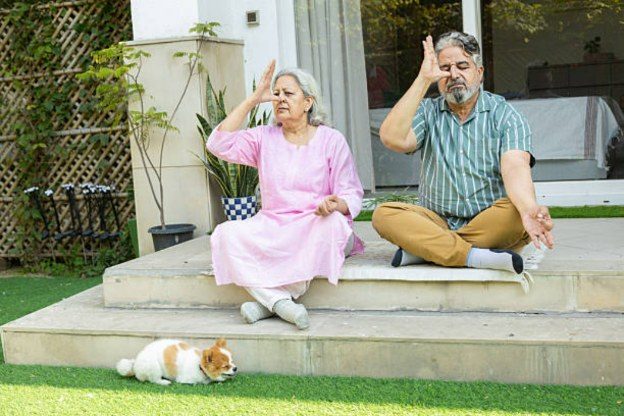
Discover your LifeScore
Begin with what matters to you.
LifeScore is a short, voluntary conversation about your life across the seven notes. It uses two simple statements for each note, such as “I have enough energy for the activities that matter to me” or “I have something that gives my day a sense of purpose”, plus one open question about what you would most like to improve.
If you wish, a family member can add up to five open questions of their own, and we keep the two views separate.
You leave with a personal profile
Our principle: LifeScore is a conversation and planning aid. It is not a diagnosis, a prediction of decline, a clinical eligibility test or a way to create fear. You can decline, pause or stop at any time without any penalty, and nothing is shared with your family without your permission.
Measuring honestly
How we know it is working
We do not rely on a single score. We combine your own goals, established wellbeing measures where they are appropriate, how reliably our services respond, and what residents and families tell us. We share what we learn honestly, including what is not working yet, and we change services because of it.
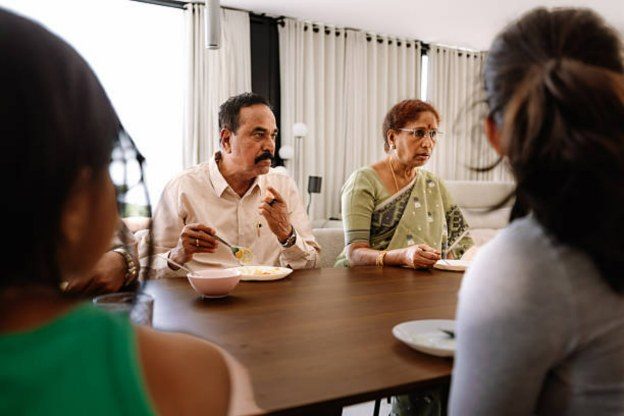
A Day at Tarana Life
See it, don't just read about it.
Our visits show real routines, not a staged event. If connection matters most to you, you will share a meal with residents. If mobility matters, you will walk the actual routes. If safety matters, you will see how our emergency protocol works, and where its limits are.
Care by Emoha
Care runs through every note
Care by Emoha is quiet and always close: a personal assessment, a care plan supervised by a geriatric doctor, and one dedicated Emoha Daughter to coordinate it all.